

Redefining Creative Excellence
Redefining Creative Excellence
Redefining Creative Excellence
Redefining Creative Excellence
Redefining Creative Excellence
Redefining Creative Excellence
If you didn’t find the products you are interested in or have questions?
Partnering with us means working closely with a dedicated team committed to understanding your unique business goals and crafting a digital strategy that aligns with your vision.
Send us your contact email and we will contact you.
Redefining Creative Excellence
Redefining Creative Excellence
Redefining Creative Excellence
Redefining Creative Excellence
Redefining Creative Excellence
Redefining Creative Excellence
If you didn’t find the products you are interested in or have questions?
© 2024 — NAAS Digital. All right reserved.
Privacy Policy
Insights
Insights
Insights
Insights
Insights
Insights
Insights
Insights
Insights
Insights
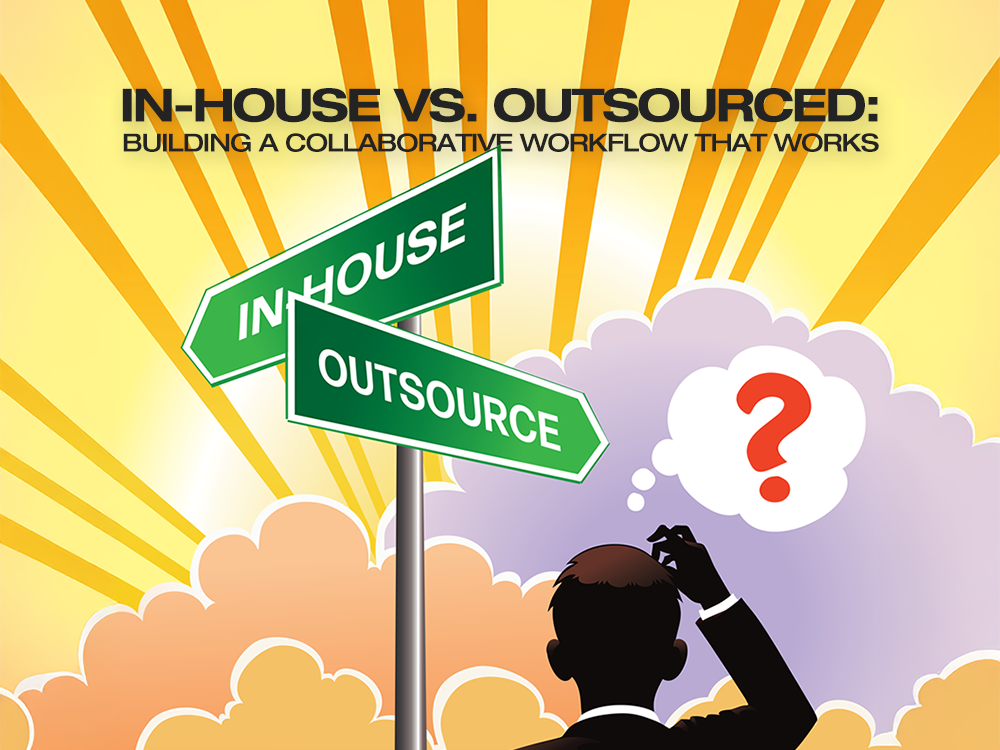
In-House vs. Outsourced:
Building a Collaborative Workflow That Works
Many organizations ask the same question when scaling their digital marketing: should we manage everything in-house or outsource to an agency?
The strongest answer is often not one or the other. It is building a collaborative workflow where internal knowledge and external expertise work together.
In-house teams understand the brand, internal priorities, and stakeholder expectations. Agencies bring strategy, execution capacity, platform knowledge, creative direction, and performance experience. When these strengths are aligned, the result is a stronger marketing system.
The Strength of In-House Teams
Engagement is easy to track and easy to report. It gives teams a quick sense of whether content attracted attention. In many cases, it can indicate relevance, audience interest, or creative strength.
However, not all engagement has the same value. A comment from a qualified decision-maker is not equal to a random reaction from someone outside your target audience. A viral post may create visibility but still fail to support business objectives.
The Risk of Chasing Engagement Alone
Internal teams bring essential value because they are close to the organization.
They understand:
- leadership priorities
- internal sensitivities
- product or service details
- audience context
- brand history
- organizational culture
This knowledge is difficult to replace. It helps ensure that digital marketing remains accurate, aligned, and relevant.
The Strength of External Agencies
Agencies bring a different type of value. They work across platforms, industries, campaigns, and market conditions, giving them wider exposure to what works.
A strong agency contributes:
- digital strategy
- creative execution
- content systems
- paid media expertise
- analytics and reporting
- campaign optimization
- scalable production capacity
The agency perspective can help internal teams move faster and think more strategically.
Why Collaboration Often Breaks Down
Collaboration fails when roles are unclear. Common issues include:
- duplicated responsibilities
- delayed approvals
- unclear feedback ownership
- lack of shared KPIs
- too many communication channels
- unclear timelines
When this happens, both sides become reactive instead of strategic.
Building a Better Operating Model
A strong in-house and agency workflow should define who owns what.
Internal team ownership
The internal team should usually own:
- brand priorities
- approvals
- business context
- internal coordination
- subject matter expertise
Agency ownership
The agency should usually own:
- strategy recommendations
- content execution
- platform optimization
- reporting structure
- creative development
- performance improvement
Shared ownership
Some areas require close collaboration:
- campaign planning
- content calendars
- major launches
- customer insights
- quarterly performance reviews
Communication Systems That Work
Strong collaboration depends on clear communication rhythms.
Useful systems include:
- weekly status meetings
- monthly performance reviews
- shared content calendars
- centralized feedback documents
- defined approval timelines
- clear escalation paths
The goal is to reduce scattered communication and create one source of truth.
What a Healthy Workflow Looks Like
A healthy workflow is not about constant communication. It is about purposeful communication.
It should include:
- clear briefs
- realistic timelines
- structured feedback
- defined decision-makers
- performance-based discussions
- regular optimization cycles
When the workflow is clear, the agency can move faster and the internal team can stay confidently informed.
Measuring the Partnership
The success of an agency partnership should not only be measured by deliverables. It should be measured by outcomes.
Important indicators include:
- content quality
- campaign performance
- speed of execution
- stakeholder satisfaction
- clarity of reporting
- business impact
A strong partnership creates both operational efficiency and measurable growth.
How NAAS Digital Builds Collaborative Workflows
NAAS Digital works as a strategic extension of internal teams. We do not replace internal knowledge. We build around it.
Our approach includes:
- clear onboarding and discovery
- role mapping
- content and campaign workflows
- structured approval systems
- reporting and optimization rhythms
- strategic planning sessions
A strong social media strategy does not chase every like or comment. It defines what success looks like, measures the right signals, and connects content performance to business growth.
Conclusion
The in-house vs. outsourced question should not be treated as a competition. The strongest digital marketing systems combine internal insight with external execution power.
When roles, workflows, and expectations are clearly defined, brands can move faster, produce better work, and achieve stronger results.
If your organization wants a smoother, smarter agency collaboration model, NAAS Digital can help you build workflows that align teams, improve execution, and support measurable growth.